
Natural Supports and Networks of Care
Natural supports are the people who are part of our everyday lives: family members, kin, friends, neighbours, coworkers, Elders, coaches, faith leaders and others we know and trust. They are the people we talk with around kitchen tables, meet at work or community events, call when something doesn’t feel right and celebrate with when things are going well.
Together with the groups, associations and collectives we belong to, these relationships form our natural community. They are an important part of a broader network of care that also includes community resources and professional services.
Because natural supports know us, they may notice changes, hear concerns and offer care in ways that services cannot. They can share information, model healthy ways of relating and help people feel less alone. They may be the first people someone turns to when they are struggling or experiencing harm, and they can remain alongside people who are experiencing or using violence through healing and change.
Natural supports do not replace professional services. Both have important roles in community safety and well-being. Explore the articles below to learn more about natural supports, networks of care and their role in violence prevention.
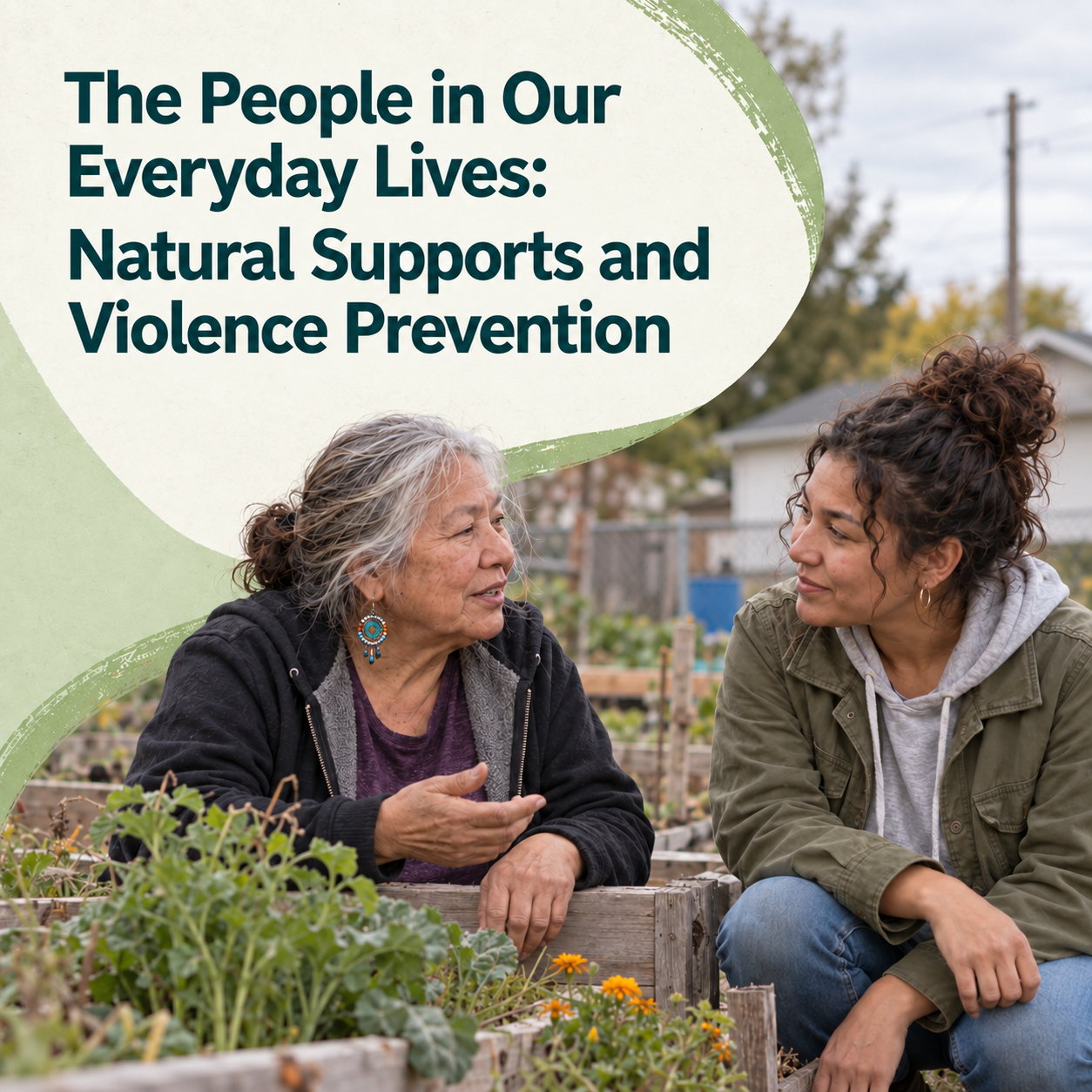
The People in Our Everyday Lives: Natural Supports and Violence Prevention
Friends, family, neighbours and other trusted people help build healthy relationships, notice when someone is struggling and stay alongside them through healing and change. This article explores the role of natural supports in violence prevention and how community relationships and professional services can work together.
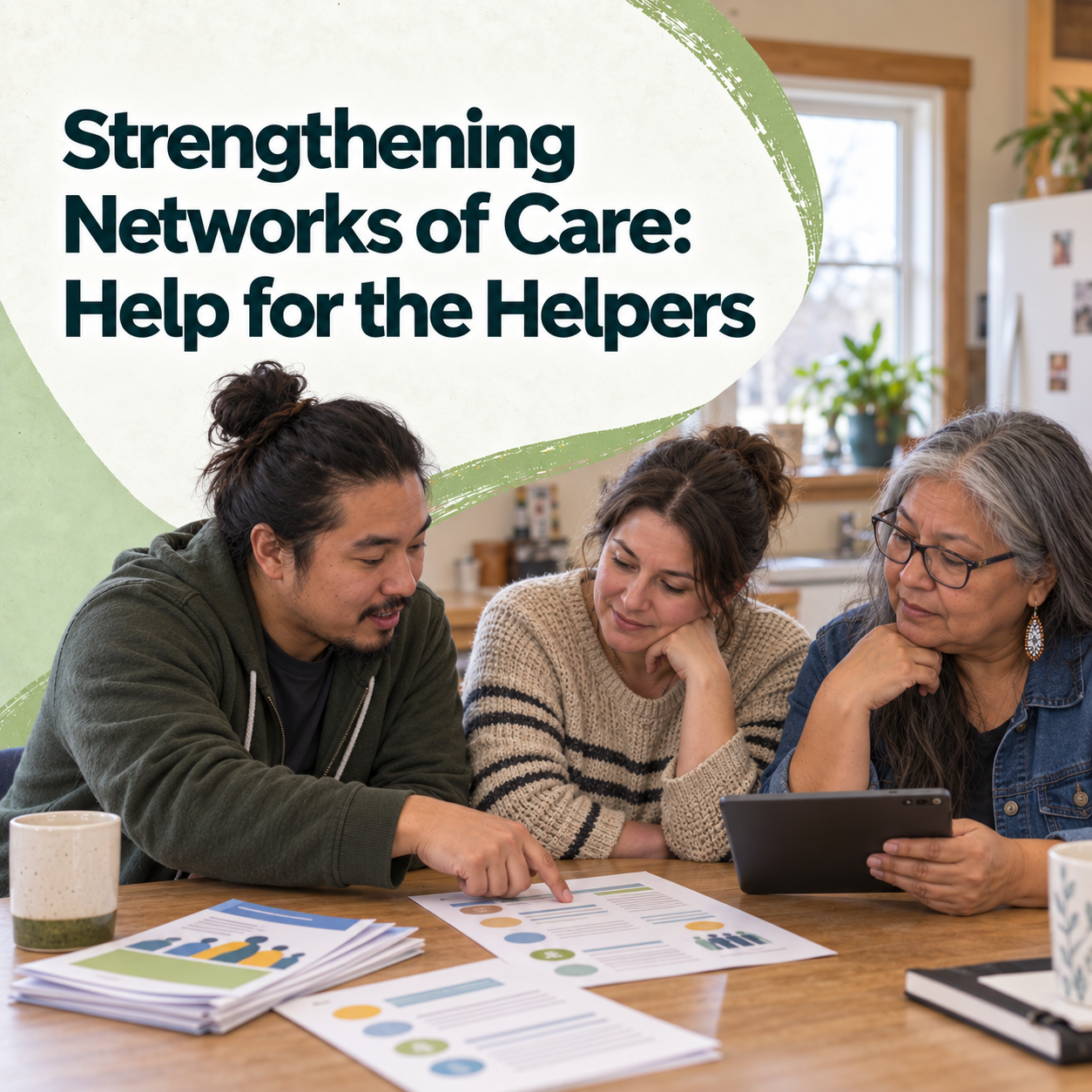
Strengthening Networks of Care: Help for the Helpers
This article explores the valuable role family members, friends, neighbours, co-workers and other natural supports play in preventing violence, responding to concerns and walking alongside healing—and why these helpers need support of their own. It identifies four areas where natural supporters contribute to community safety and well-being and considers the information, skills, boundaries, guidance and care they need to help safely and sustainably.
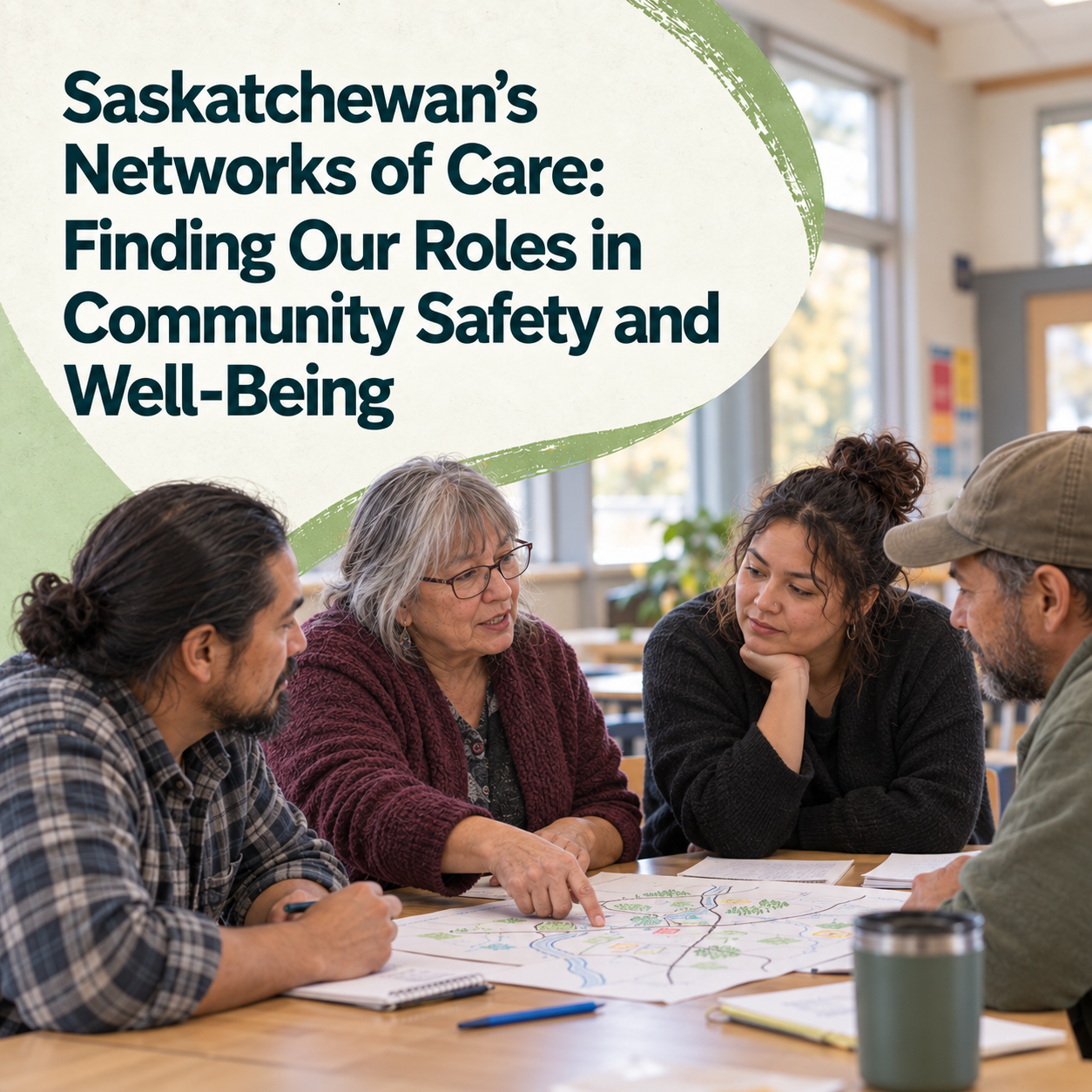
Saskatchewan’s Networks of Care: Finding Our Roles in Community Safety and Well-Being
The Three Lanes and Four Modes of Change help clarify how communities, natural supports and formal institutions each contribute to community safety and violence prevention. Using these frameworks, this article invites organizations to begin with what communities can do themselves, support community-led action without taking over, and provide professional services where specialized expertise, resources or authority are needed.